Arriving in LA on a bus from the airport, and then making the decision to walk from the bus depot at Union Station to my hotel meant I discovered historic downtown LA. What a find. I would have completely missed it if I had got a taxi or uber; so thank goodness for setting myself a tight daily budget!
For some reason I didn’t take a photograph of the historic plaza from Union Station itself, but here are some views of Union Station from the historic plaza.


Los Angeles Union Station is considered ‘the last of the great train stations’, completed at a cost of more than $11 million. The opening in 1939 was a lavish three day celebration, and that is understandable as the building is stunning. However the building also has a very dark racist history. It displaced without any compensation a vibrant Chinese community – homes and businesses – that had been here since the mid 19th century. Even now the harm that was caused is not really being recognised.
LA is full of dark history, right from its very first settlers in the late 18th century. The 44 settlers are usually described as Spanish pobladores, however that is only part of the story. As more than half of them were of African ancestry. I’ll be sharing more on that in another post. Today though, as I indicated in my intro, I want to focus on some of the buildings which did survive the Union Station project, and now make up what is known as LA’s historic district.
Olvera Street and the adjoining plaza have become a celebration of LA’s Latino history, and it is wonderful. Even on a cloudy morning the Plaza de Los Ángeles, felt bright and vibrant with its historic bricks and plenty of greenery. However I could have done without the superfluous traffic cones!


I didn’t go round the La Iglesia de Nuestra Señora la Reina de los Ángeles as multiple school buses had just arrived and were going in. I wasn’t quite up to being surrounded by groups of children at the start of my day, however I have since found this historic photograph of it, which when shown with my photograph of the church, I think helps set the scene. The photograph and the other historic ones are all from the LA Public Library Digital Collections.


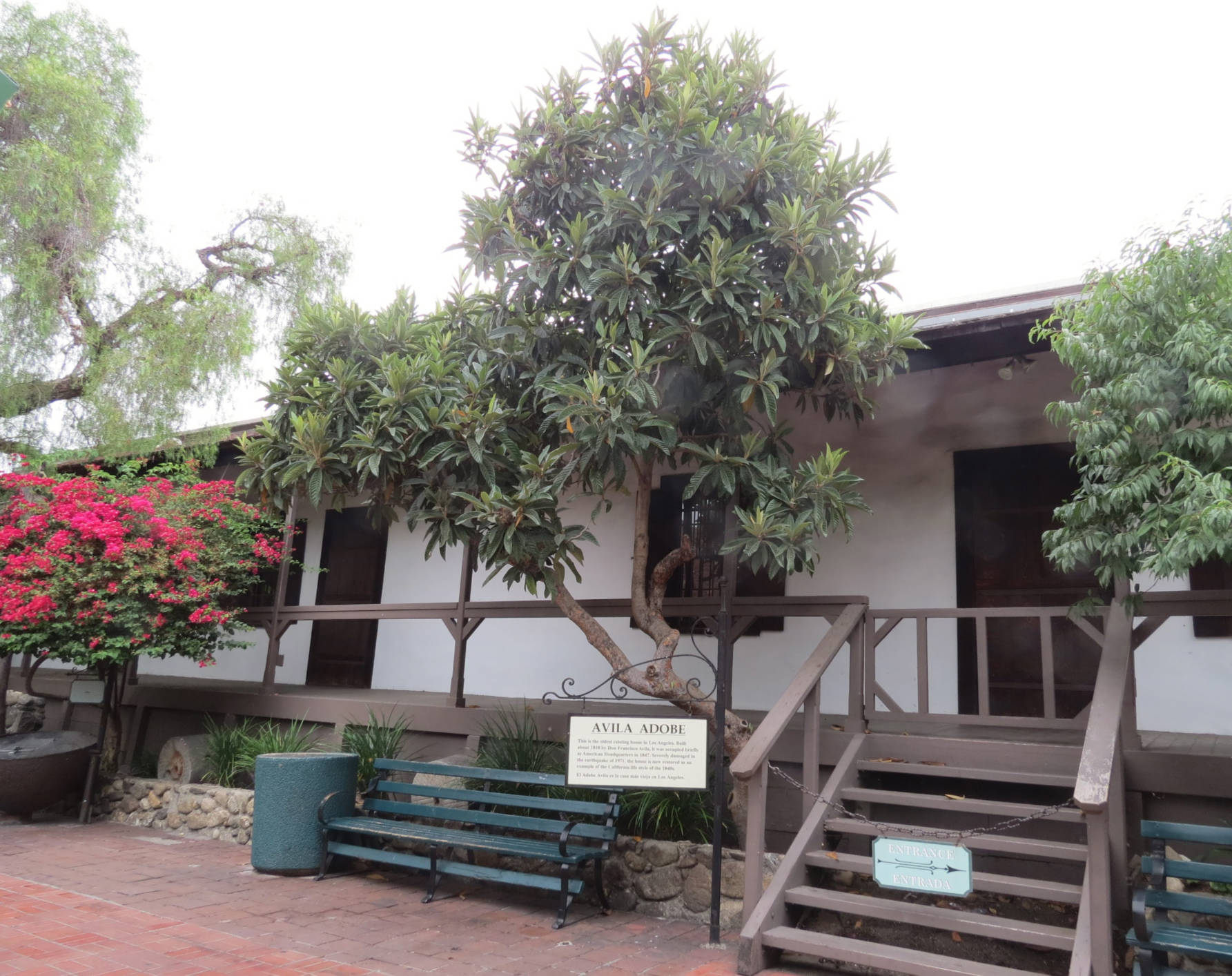
I did go round Ávila Adobe, the oldest standing residence in LA. It was built in 1818 by Francisco Ávila, a wealthy cattle rancher and alcarde, as his town house and offices. As the city grew from El Pueblo de Nuestra Señora Reina de los Ángeles into Los Angeles, this part of town became neglected by the city authorities. Eventually the house fell into disuse and was close to being destroyed. Christine Sterling, a local woman with a passion for California’s ‘authentic’ heritage and the ‘romance of the past’, managed to persuade the city council to save it, and she even lived here herself when the area her own home was located in went through major change to enable Dodger Stadium to be built.


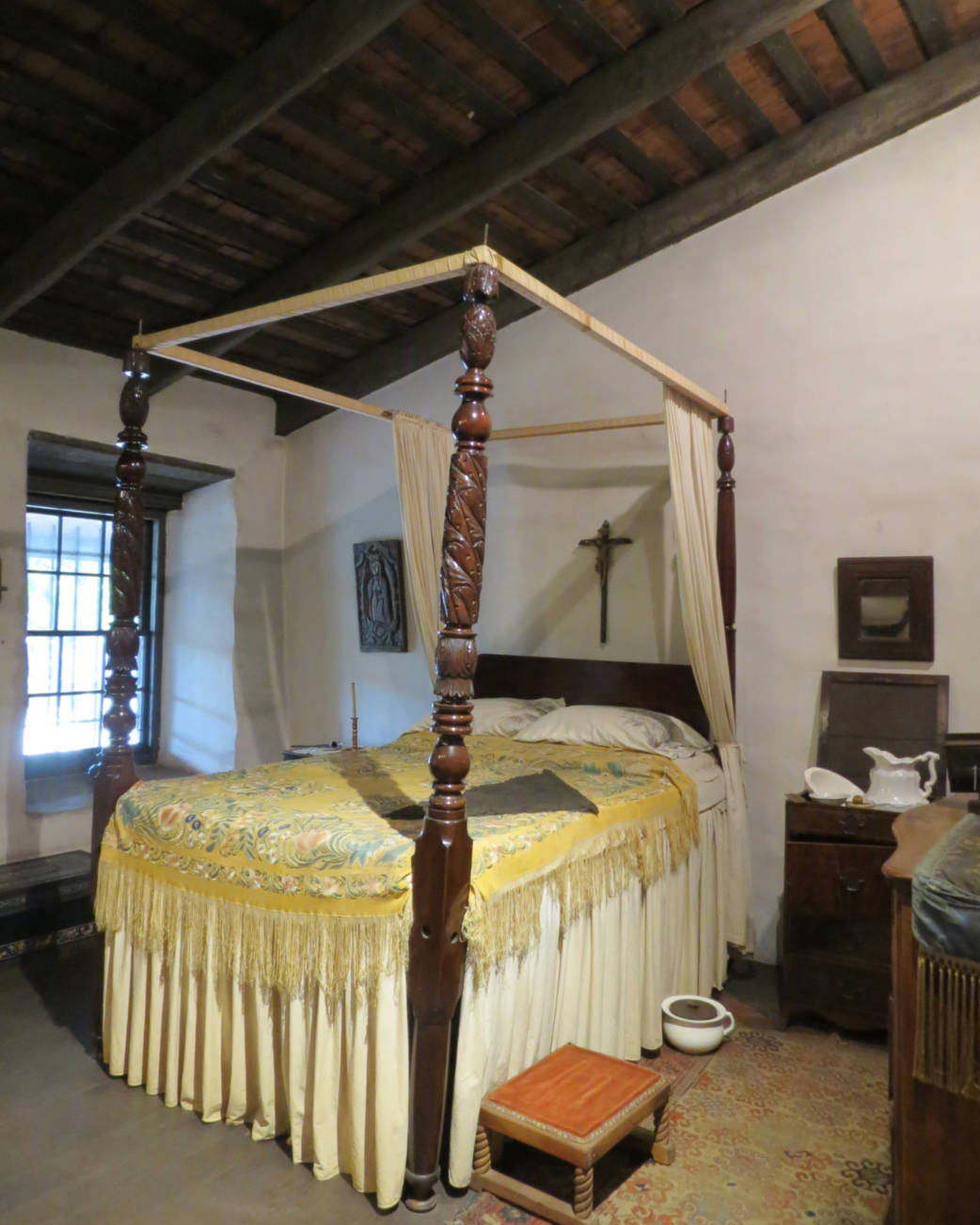
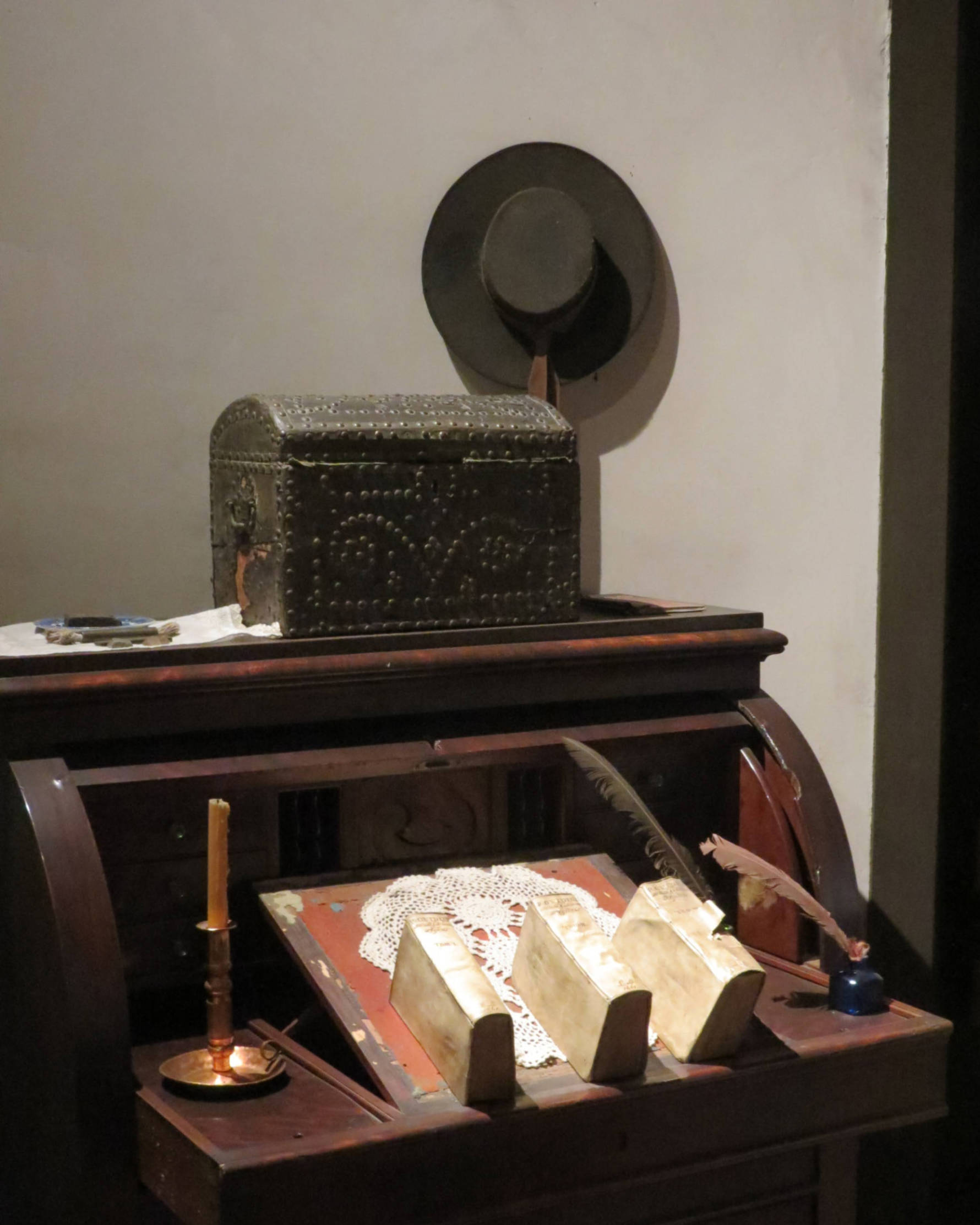


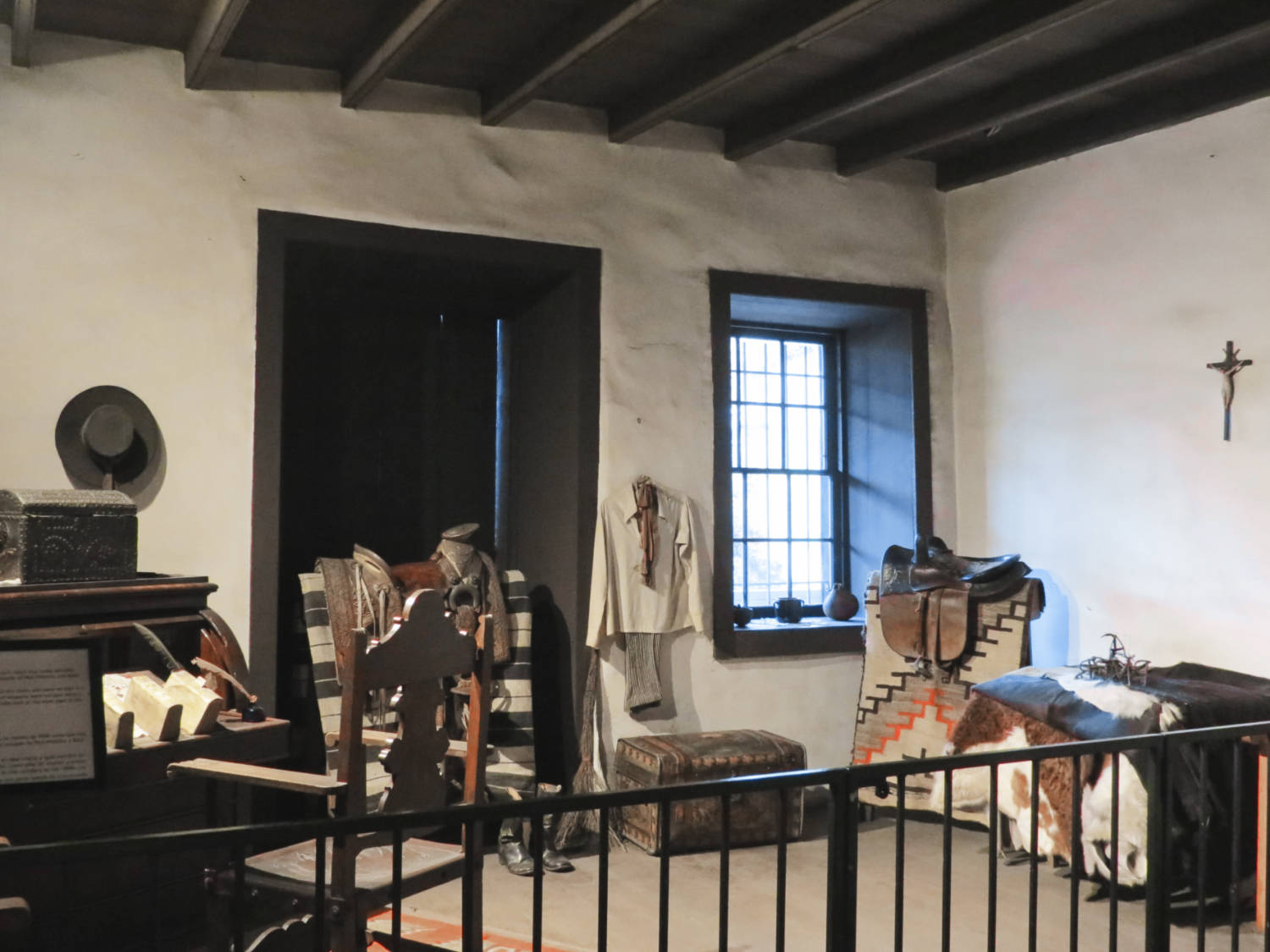
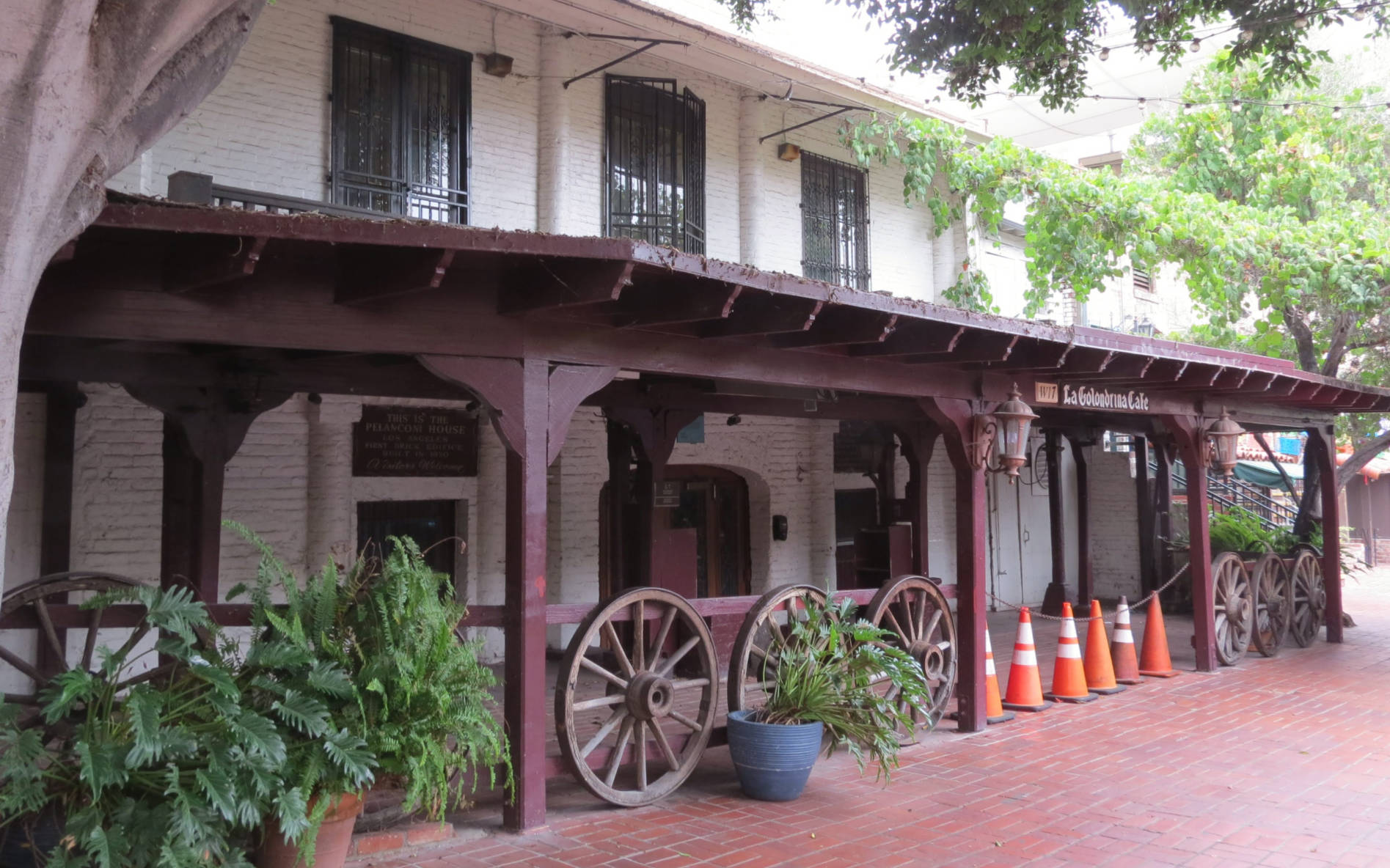
The historic photographs of Ávila Adobe date from 1890 and 1930 providing a glimpse of what it would have been like when it was built. When compared to my modern ones you can see the building has hardly changed. Quite extraordinary given its subsequent uses as military headquarters during the Mexican War, a boarding house, and a hotel. The inside has been well restored, but I think they could have done a better job with the courtyard.



I enjoyed my morning in LA’s historic district and I have only showed you half of what I explored. There are other museums and displays, many of which share a less sanitized history. I will post about them another day.

 The life of B
You did well to find so much of interest while on foot.
LikeLiked by 1 person
More discoveries to come!
LikeLiked by 1 person
I had no idea Los Angeles had a historic district. I figured all the old had been bulldozed for the new. Also didn’t know it was possible to walk anywhere in Los Angeles! Love the photos and the history, dark though it is, though that can be said of most places.
LikeLiked by 1 person
so had I until I stumbled across this – quite extraordinary.
LikeLiked by 1 person
On foot is usually the best way to explore a new place and you did well.
LikeLiked by 1 person
Thanks Jude, and thanks also for getting me going with my American posts.
LikeLike
And I am enjoying them very much.
LikeLiked by 1 person
Plenty more to come in before squares, during squares and after squares!
LikeLiked by 1 person
Fascinating, and awful at the same time – treating people as dispensable, and you only have to glance at the news to see it’s still going on. (Of course, I am worrying about you doing all that walking carrying your luggage. I hope you travelled light!)
LikeLiked by 1 person
Exactly how I felt at the time
Well light given I was away over a month, but was challenging on LA sidewalks. They’re so bumpy!
LikeLiked by 1 person
My husband and I recently spent a few days in downtown L.A. Once we parked our car in the hotel lot, we walked everywhere. And, you are right, it is a great way to see the area. Yes, there are homeless and shady characters, but we felt completely comfortable. We saw so many interesting buildings and sights of interest. Did you get a chance to visit The Last Bookstore?
LikeLiked by 1 person
So glad you enjoyed downtown too. I did have one homeless person follow me for a block, but apart from that didn’t have any issues. Sadly I didn’t get there, so little time
LikeLike
Surprises are always the best
…looking forward.to part 2 😃
LikeLiked by 1 person
That’s true
LikeLike
How fortunate that you chose this route – a classic example of travel serendipity! The Ávila Adobe looks fascinating. I remember visiting Olivera St back in 1991 (and having a good Mexican meal there!) but if that house was open to the public back then I certainly didn’t realise it, and I also failed to absorb the area’s darker history as you have clearly done. I look forward to hearing more about your time there.
LikeLiked by 1 person
So fortunate 🙂 and I think easy to miss it as it is so unassuming from the outside, and partly hidden by all the stalls. I also don’t think you are alone missing the darker history as those museums are relatively new
LikeLiked by 1 person
Beautiful visit and photographs dear Becky B. you carried me too. Have a nice day, Thank you, Love, nia
LikeLiked by 1 person
thanks Nia, so glad you enjoyed exploring with me
LikeLike
How great you discovered this. A good thing the house was saved as it’s beautiful. There’s always a dark history behind historic houses I find.
LikeLiked by 1 person
That’s so true about the dark history
LikeLiked by 1 person
A great adventure, Becky. Have a wonderful time.
LikeLiked by 1 person
thank you 🙂 I really did
LikeLiked by 1 person
Another part of your wonderful adventure Becky. A great walkabout. I agree about that courtyard too
LikeLiked by 1 person
thanks Brian, and glad you agree – they could have done so much with it
LikeLiked by 1 person
This looks a wonderful area to explore. And yes, walking wins out every time when travelling. Or failing that, the bus. You get to see so much more that way. Dark History though tends to stay well hidden. Well done for discovering some, though goodness knows what can be done about it.
LikeLiked by 1 person
Walking always the best, but as you say buses good too. We can’t change it but at least we can make it more visible I think
LikeLiked by 1 person
Good point.
LikeLiked by 1 person
I couldn’t help myself- I’d have had to remove those cones, Becky! (and put them back after the shot) Such a contrast with the glitzy LA image. I much prefer this aspect. Have a great week!
LikeLiked by 1 person
hee hee – I wish you had been with me!
LikeLike
That would have been fun xx
LikeLiked by 1 person